Kilimanjaro climbing gear and equipment

Ultimative Kilimanjaro
Checkliste zum Besteigen

Ihr vollständiger Leitfaden zu wesentlicher Ausrüstung zum Erklimmen des höchsten Bergs Afrikas. Von Basisschichten bis zur Gipfelausrüstung - wir haben alles abgedeckt.

80+

Wesentliche Gegenstände

15kg

Maximales Rucksackgewicht

-20°C

Gipfeltemperatur

FREE

PDF-Download

Wesentliche Packungstipps

Intelligente Packungsstrategien, die Ihr Kilimanjaro-Abenteuer machen oder unterbrechen können

Schichtungssystem

Beherrschen Sie das 3-Schicht-System für optimale Temperaturkontrolle

  • Basisschicht: Feuchtigkeitsableitendes Merinowolle
  • Isolierung: Daunen- oder synthetische Füllung
  • Schale: Wasserdichte, atmungsaktive äußere Schicht

Gewichtsverwaltung

Halten Sie Ihren Rucksack unter 15 kg für optimale Leistung

  • Wesentlich: 70% des Rucksackgewichts
  • Komfort: 20% des Rucksackgewichts
  • Luxus: 10% des Rucksackgewichts

Temperaturbereiche

Bereiten Sie sich auf eine Temperaturschwankung von 40°C vor

  • Basis: 30°C tropische Bedingungen
  • Mittelhöhe: 15°C gemäßigtes Klima
  • Gipfel: -20°C arktische Bedingungen

Kleidung und Schichten

Ihr Kleidungssystem ist Ihre erste Verteidigungslinie gegen Kilimanjaro's extreme Wettervariationen
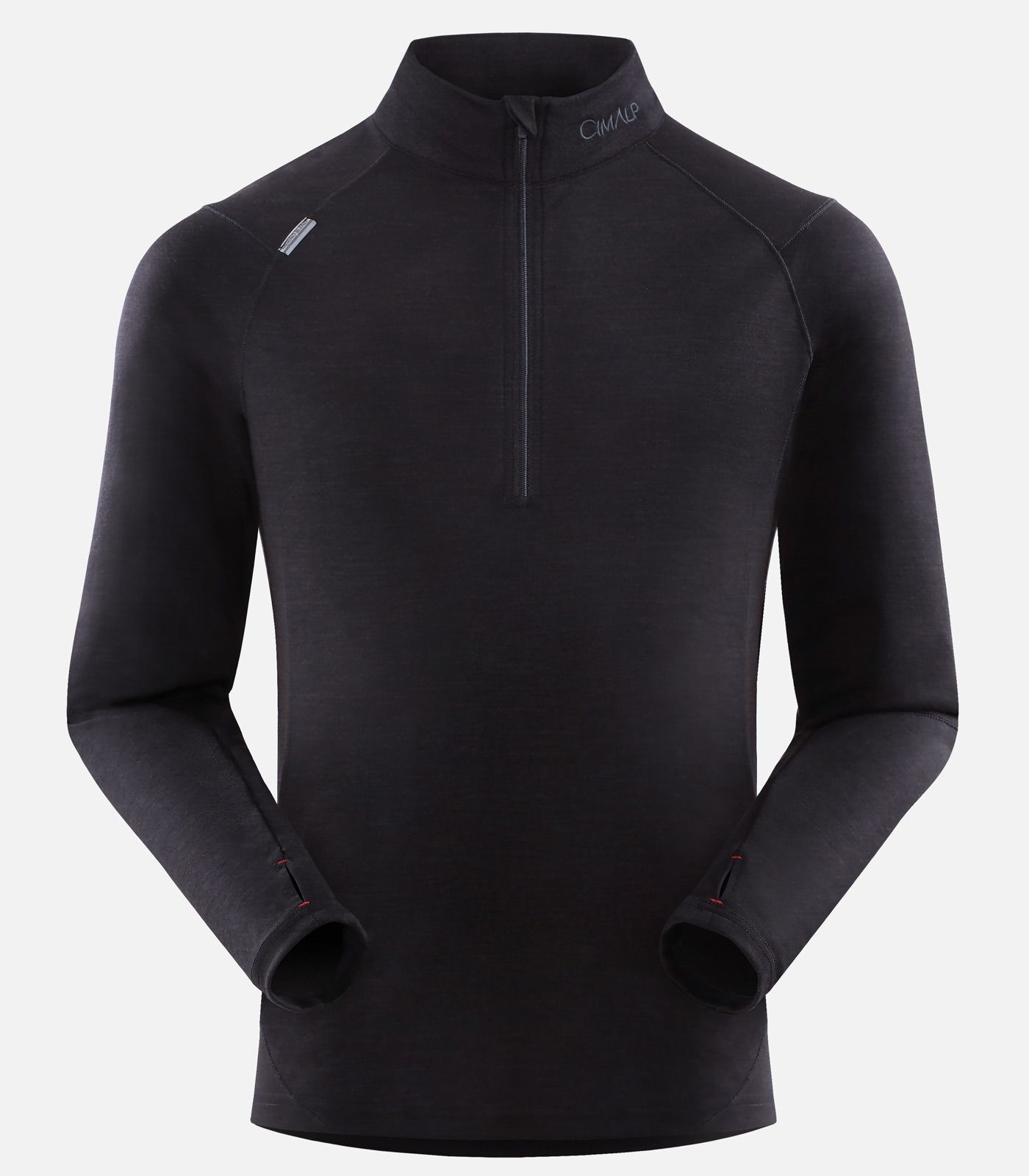
Basisschichten

Basisschichten

Wesentlich

  • 2-3 Langarmshirts aus Merinowolle
  • 2-3 lange Hosen aus Merinowolle
  • 4-5 feuchtigkeitsableitende Unterwäsche
  • 4-5 Sport-BHs (Frauen)

Profi-Tipp: Profi-Tipp: Merinowolle widersetzt sich natürlich Gerüchen und reguliert die Temperatur besser als synthetische Materialien.
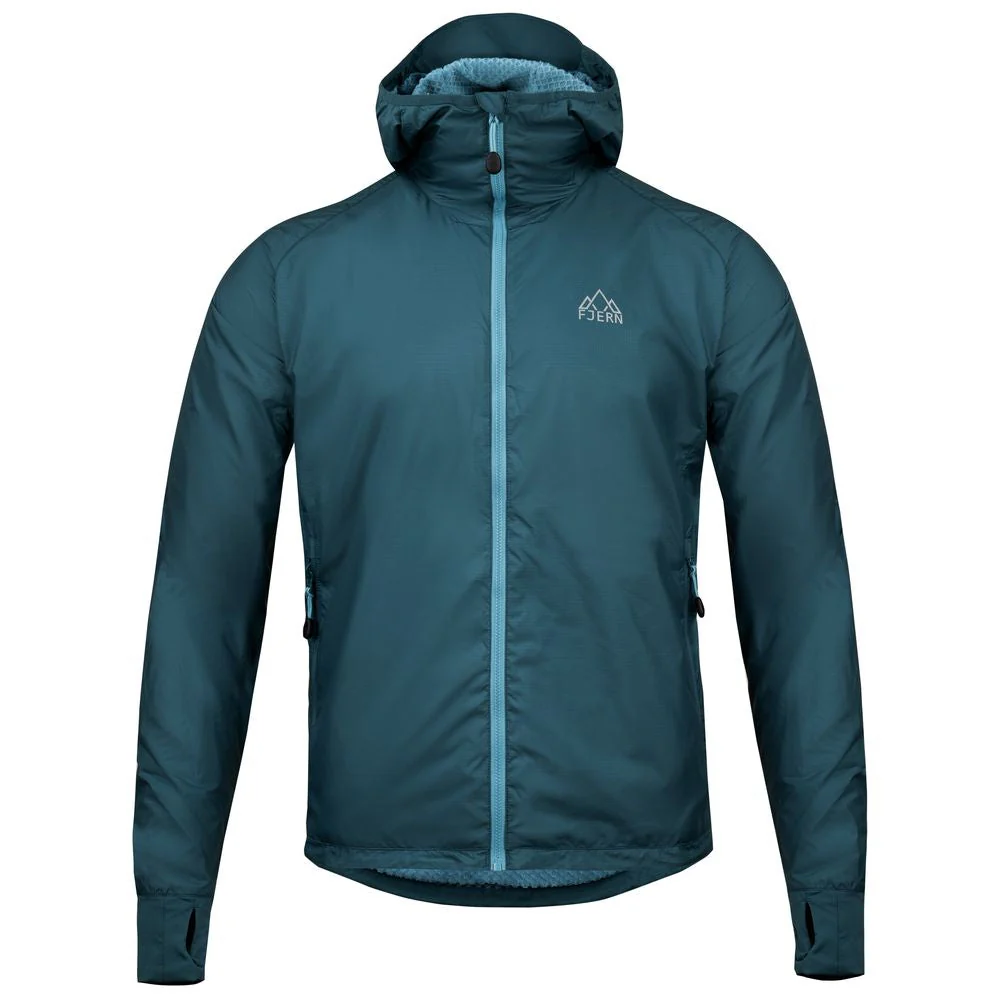
Fleece insulation jacket

Insulation

Critical

  • Lightweight fleece or softshell
  • Heavy fleece or down jacket
  • Insulated pants (summit day)
  • Warm vest (optional)

Temperature Range: Down jackets rated to -15°C minimum for summit attempts.
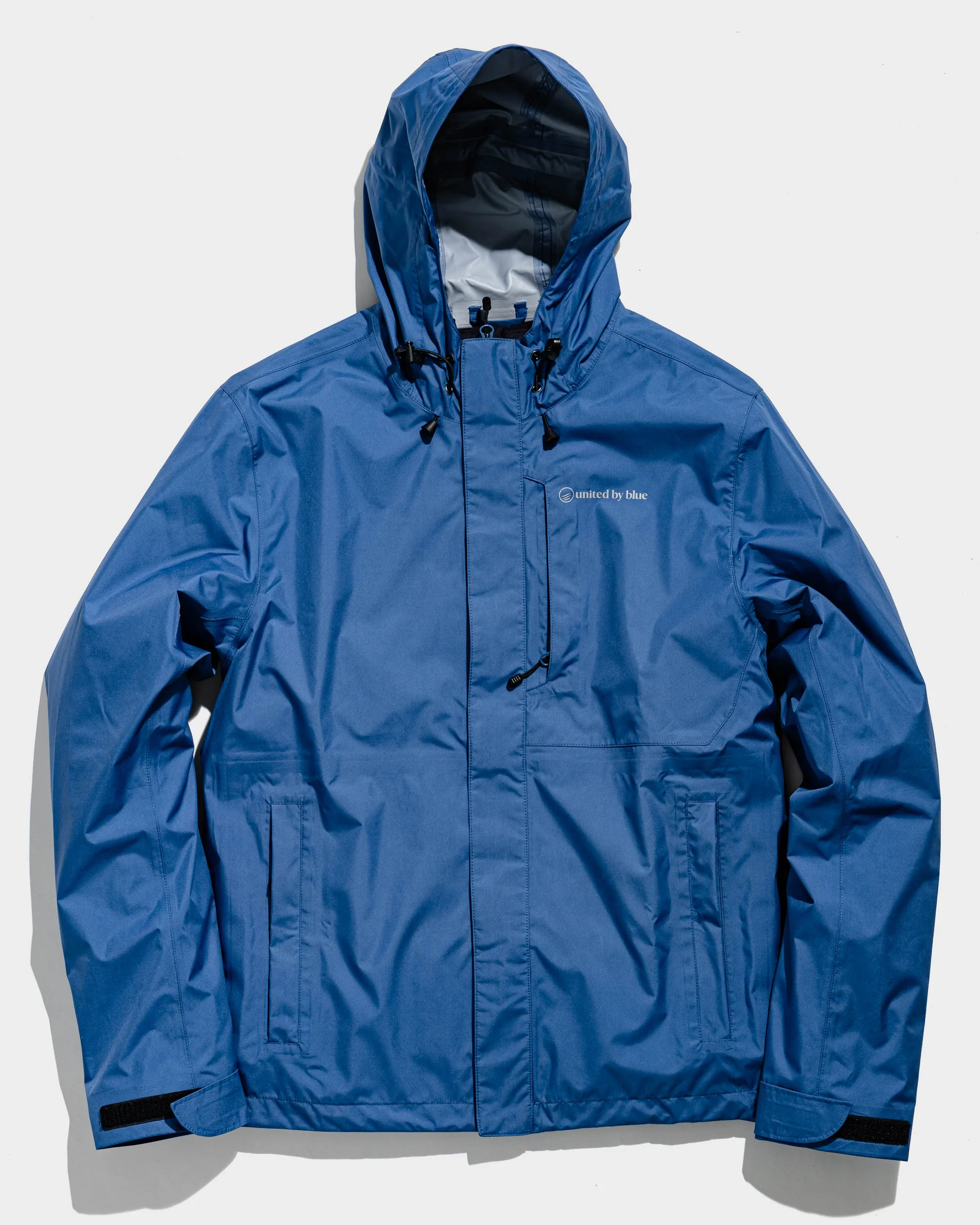
Waterproof shell jacket

Outer Shell

Essential

  • Waterproof breathable jacket
  • Waterproof breathable pants
  • Rain poncho (backup)

Must Have: Look for 20,000mm waterproof rating and taped seams.
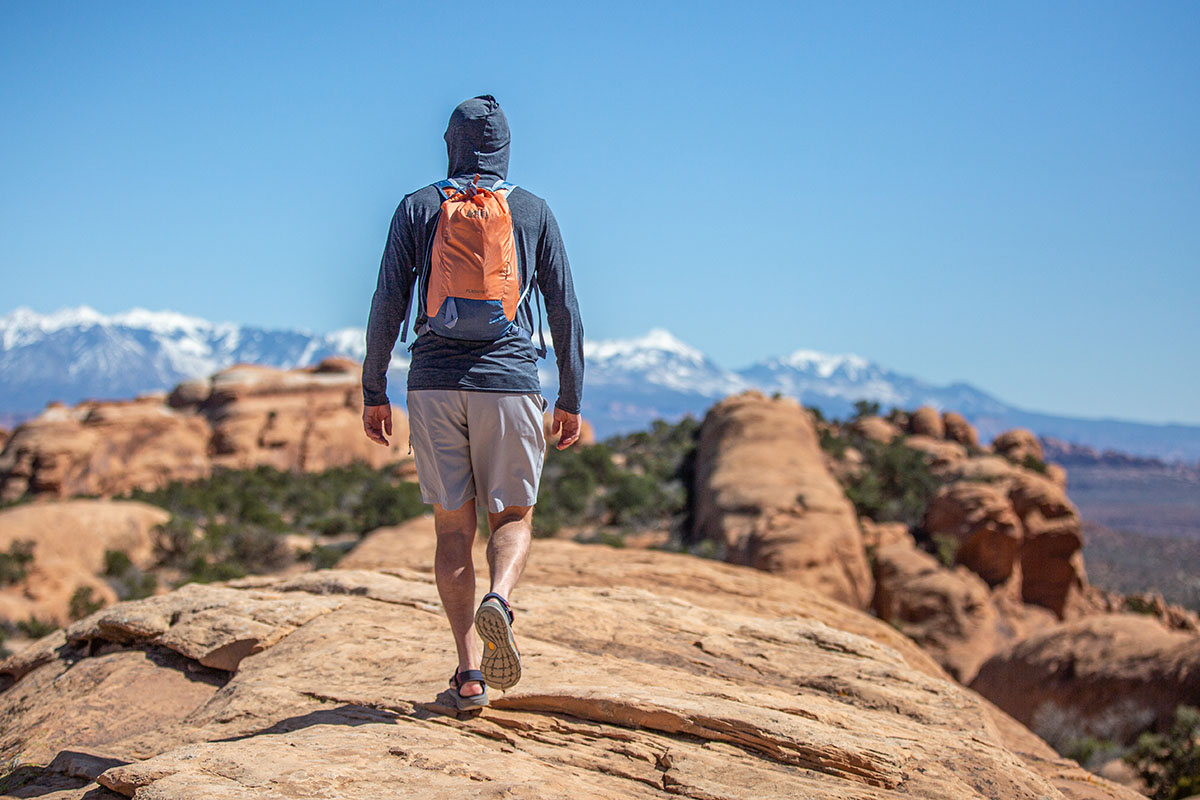
Hiking shirts and shorts

Casual/Camp Wear

Comfort

  • 2-3 hiking shirts (synthetic)
  • 1-2 hiking shorts
  • 2 pairs hiking pants
  • Comfortable camp shoes

UPF Rating: Choose shirts with UPF 30+ for high-altitude sun protection.
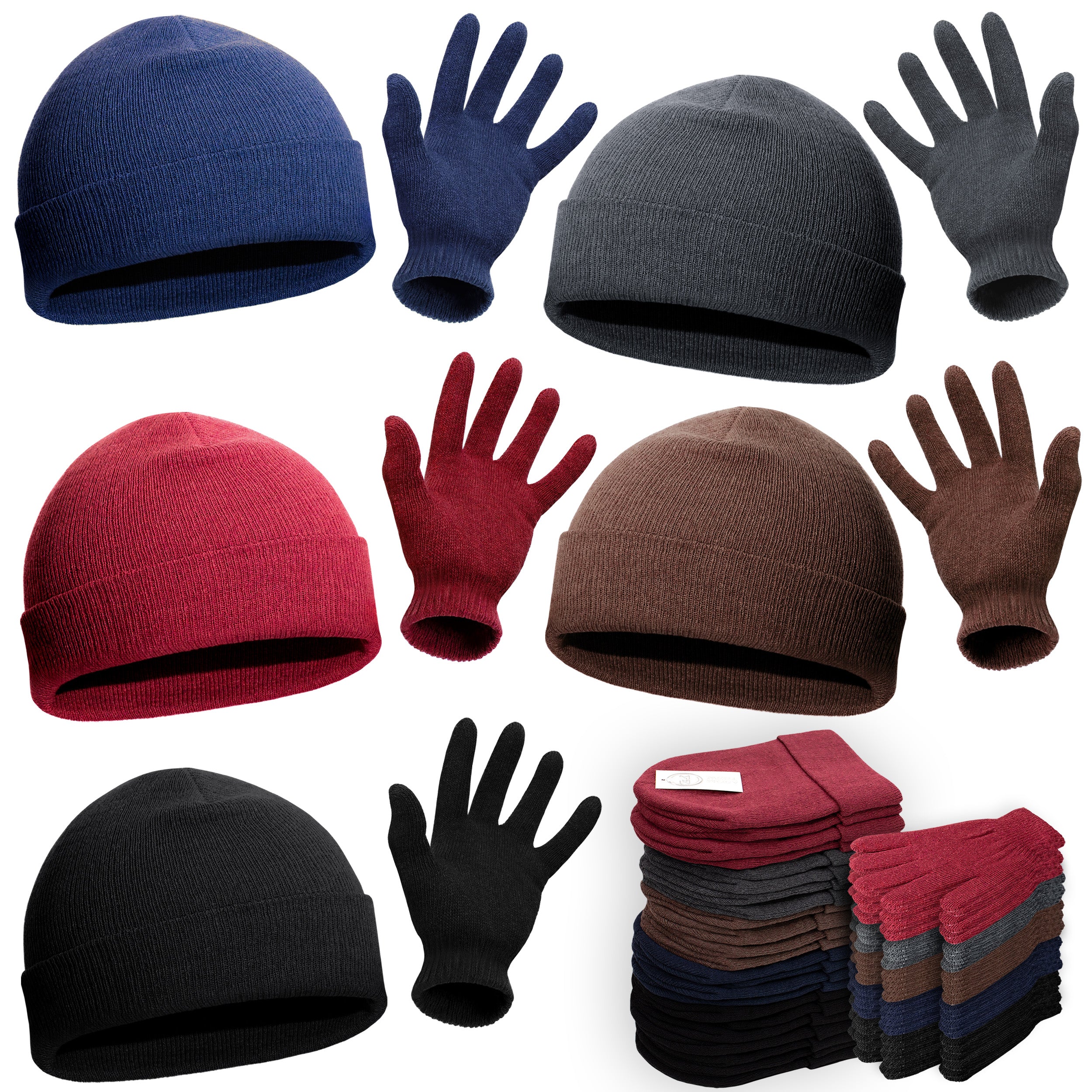
Winter hat and gloves

Head & Hands

Critical

  • Warm winter hat (covers ears)
  • Sun hat with neck protection
  • Liner gloves + insulated gloves
  • Waterproof mittens (summit)

Heat Loss: 40% of body heat escapes through your head and hands.
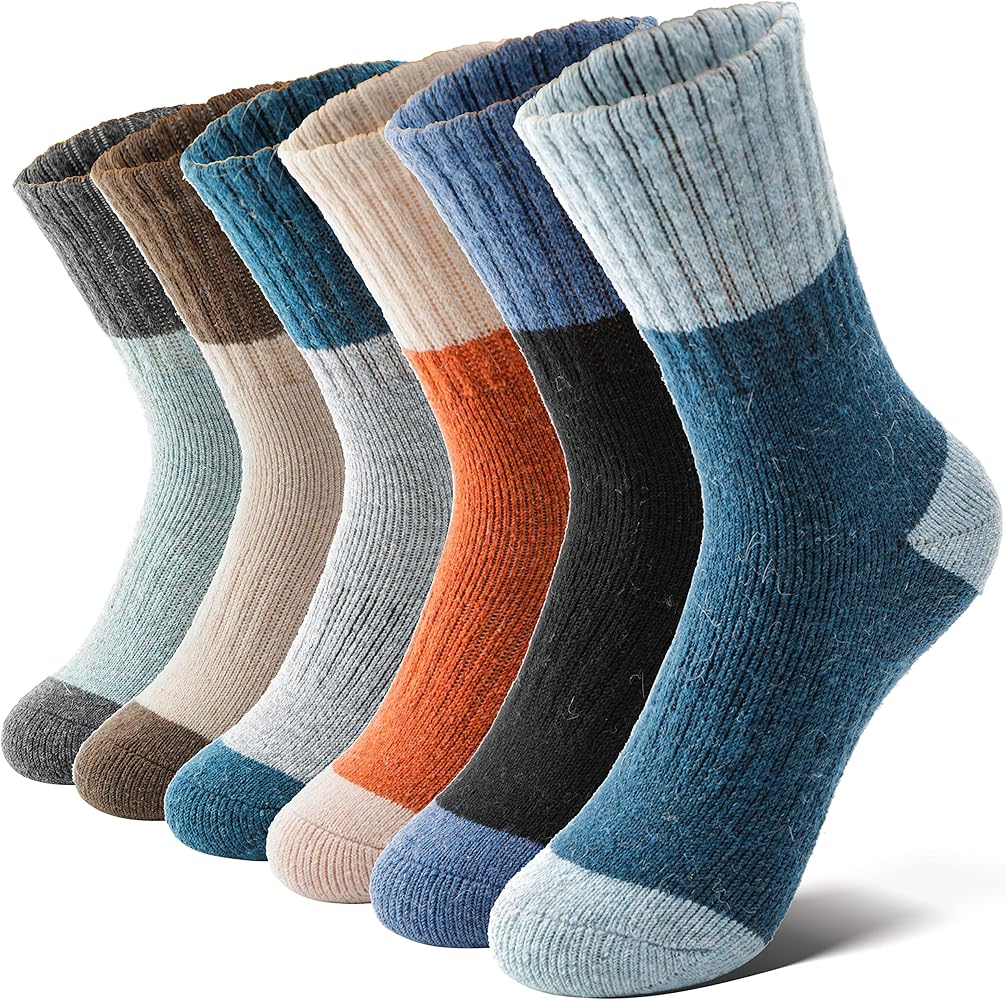
Merino wool hiking socks

Socks & Extras

Essential

  • 6-8 pairs merino wool socks
  • 4-5 pairs liner socks
  • Gaiters (prevent debris)
  • Buff or neck gaiter

Blister Prevention: Liner socks reduce friction and keep feet dry.

Footwear System

Your feet will carry you 40+ miles. Invest in quality, properly fitted footwear.
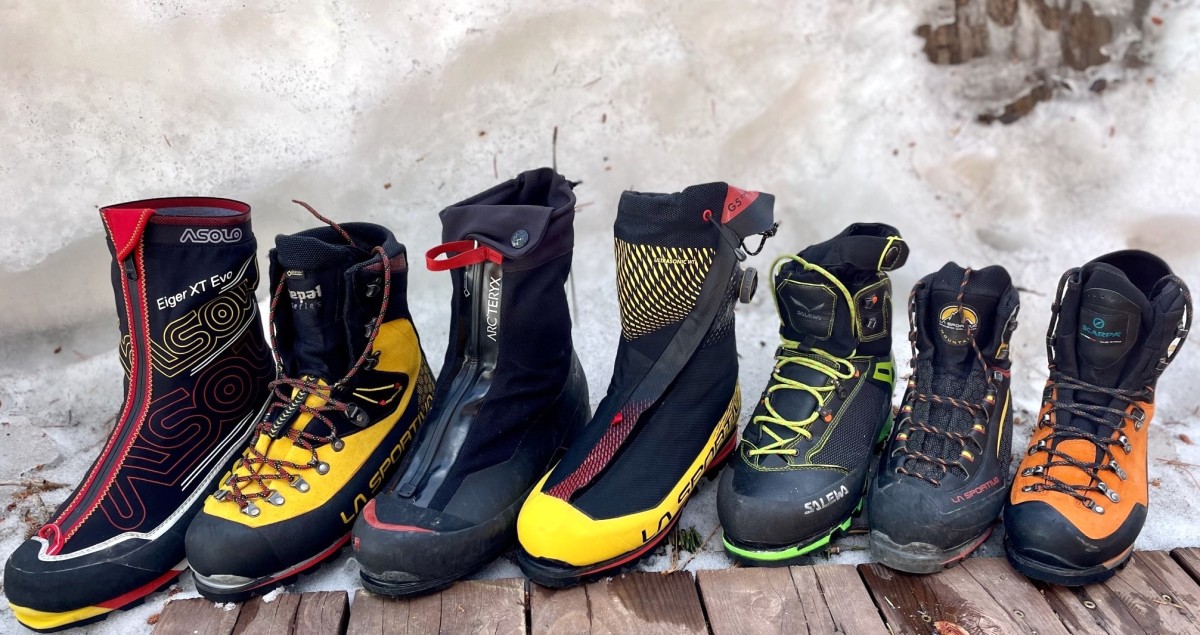
Mountaineering boots

Primary Boots

Most Critical Item

Requirements:

  • Insulated mountaineering boots (-20°C rating)
  • Waterproof and breathable
  • Ankle support and rigid sole
  • Crampon compatible (if using)

Breaking In Process:

  • Start 2-3 months before trip
  • Wear for 2-3 hours daily initially
  • Complete several long hikes (4+ hours)
  • Practice with full pack weight

Critical: Poorly fitted boots cause 80% of Kilimanjaro foot injuries. Get professionally fitted.
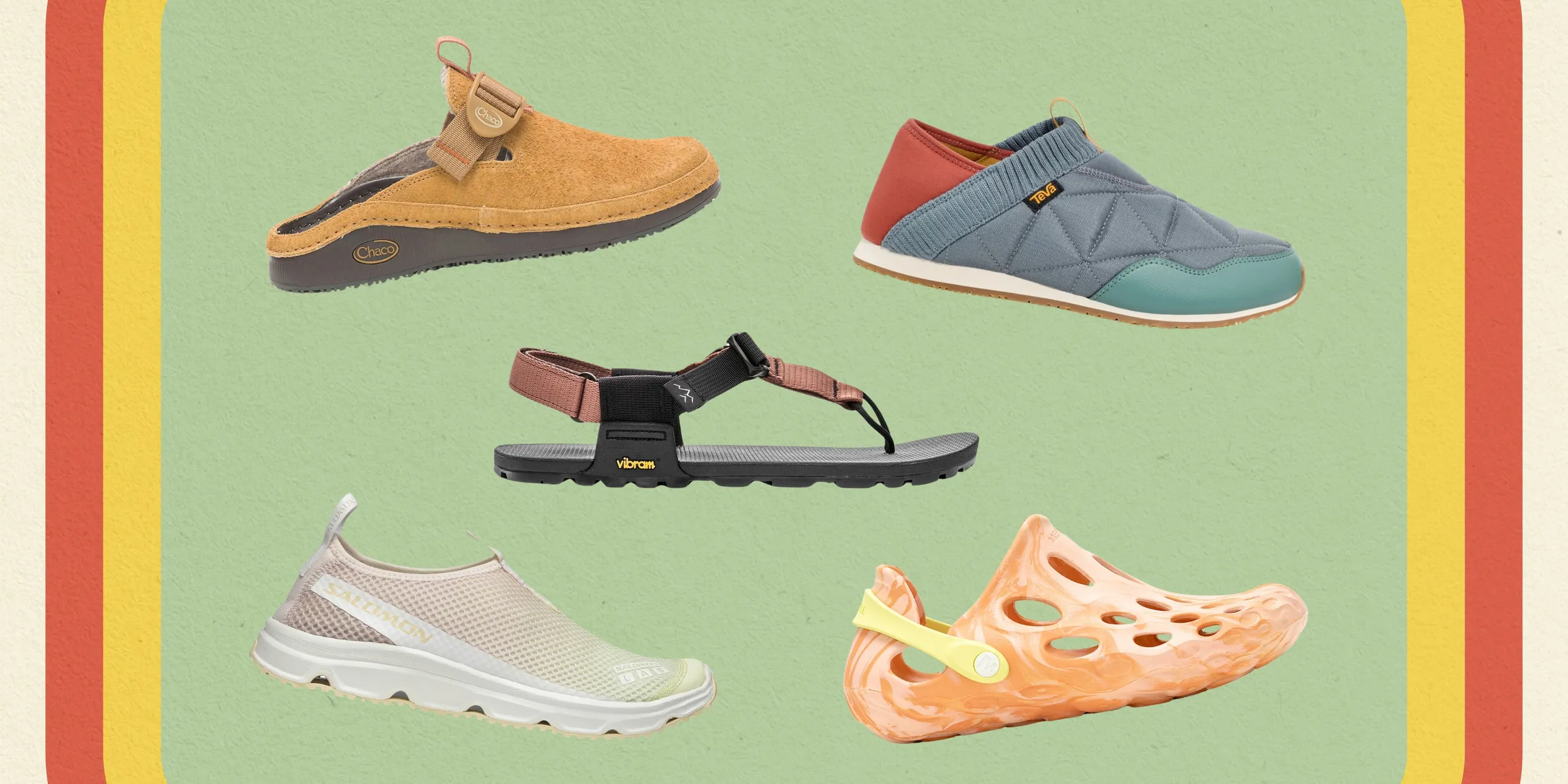
Camp shoes and sandals

Camp Footwear

Recovery Essential

Options:

  • Lightweight hiking sandals
  • Crocs or similar camp shoes
  • Down booties (for cold nights)
  • Water shoes (for stream crossings)

Sock Strategy:

  • 1 pair per day + 2 extras
  • Liner + hiking sock combination
  • Heavyweight wool for summit night
  • Sleep with dry socks only

Foot Care Kit:

  • Moleskin + blister pads
  • Antiseptic wipes
  • Foot powder + antifungal cream
  • Nail clippers + file

Sleeping System

Quality rest is essential for acclimatization and summit success
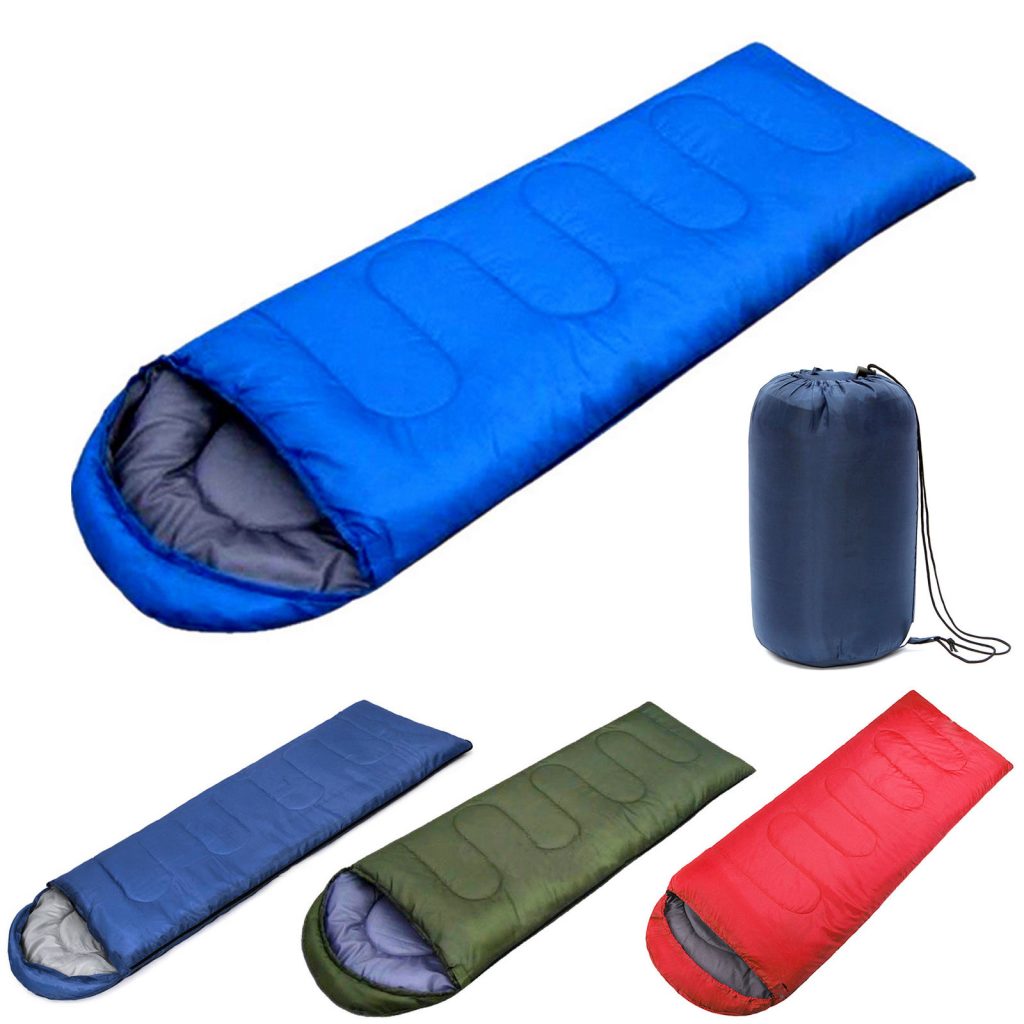
Cold weather sleeping bag

Sleeping Bag

Critical

  • Rated to -10°C (14°F) minimum
  • Down or synthetic insulation
  • Mummy shape for warmth
  • Compression sack for packing

Pro Tip: Add a silk liner for +5-10°F warmth and to keep bag clean.
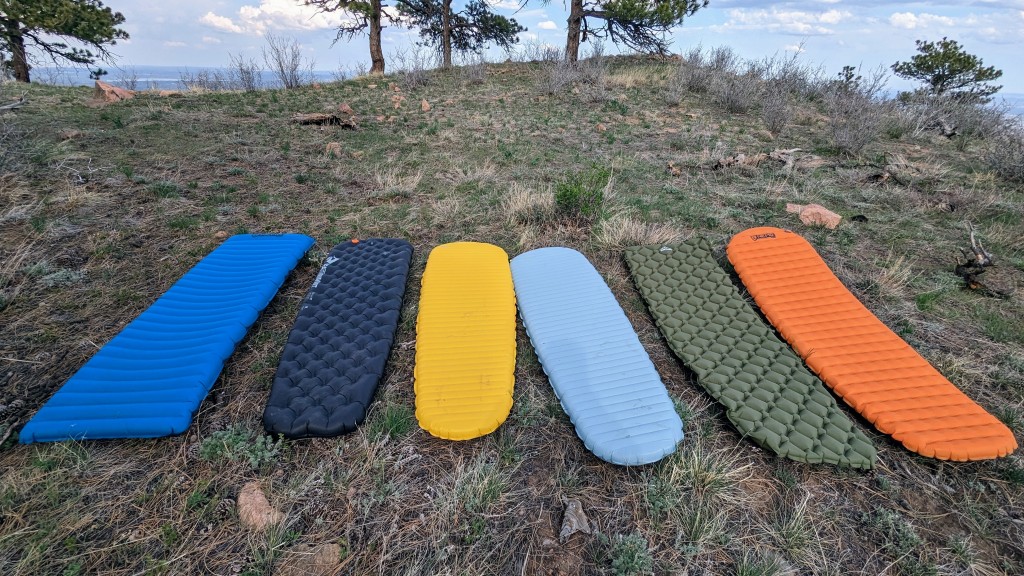
Insulated sleeping pad

Sleeping Pad

Essential

  • R-value of 3.5+ for insulation
  • Inflatable or foam options
  • Repair kit for inflatables

Comfort: 2.5-3 inch thickness recommended for side sleepers.
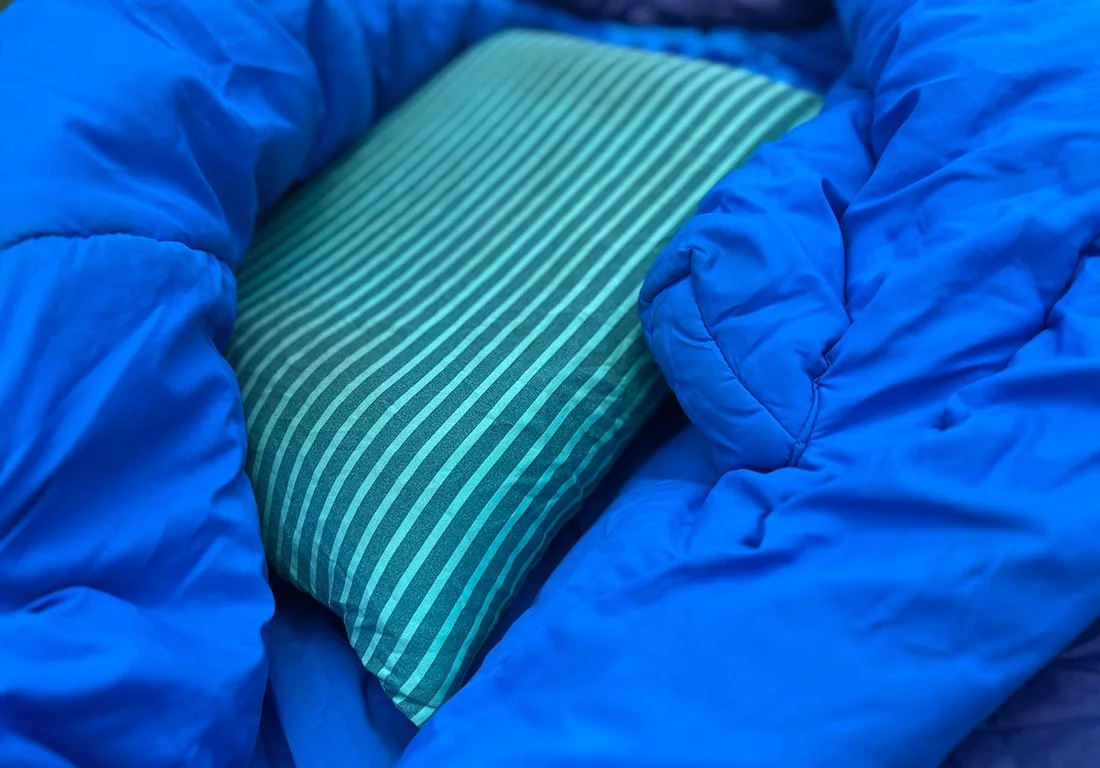
Camp pillow and accessories

Comfort Items

Recommended

  • Inflatable or stuffable pillow
  • Ear plugs + eye mask
  • Hand warmers (for summit night)
  • Nalgene bottle as hot water bottle

Sleep Quality: Proper rest improves acclimatization and summit success rates.

Packs & Bags

Proper load distribution makes the climb significantly easier
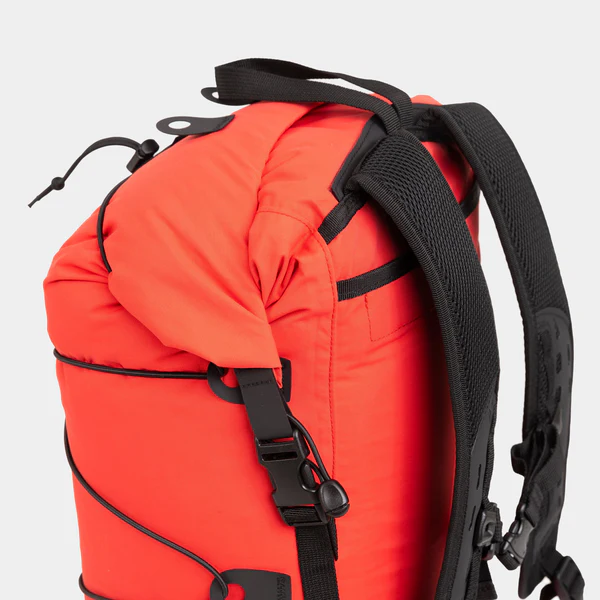
Main backpack

Main Backpack

70-90L Capacity

Features:

  • Internal frame for load distribution
  • Rain cover or waterproof liner
  • Padded hip belt + shoulder straps
  • Side compression straps

Packing Tips:

  • Heavy items close to your back
  • Rain gear at top for quick access
  • Frequently used items in outer pockets
  • Balance weight left/right
Daypack

Daypack

25-35L Capacity

Daily Essentials:

  • Water bladder or bottles (3L capacity)
  • Rain jacket + warm layers
  • Camera + sunscreen + lip balm

Organization:

  • Use dry bags or ziplocks
  • Color code for easy identification
  • External attachment points
  • Hydration tube port

Hydration & Nutrition

Proper fueling and hydration are critical for altitude performance
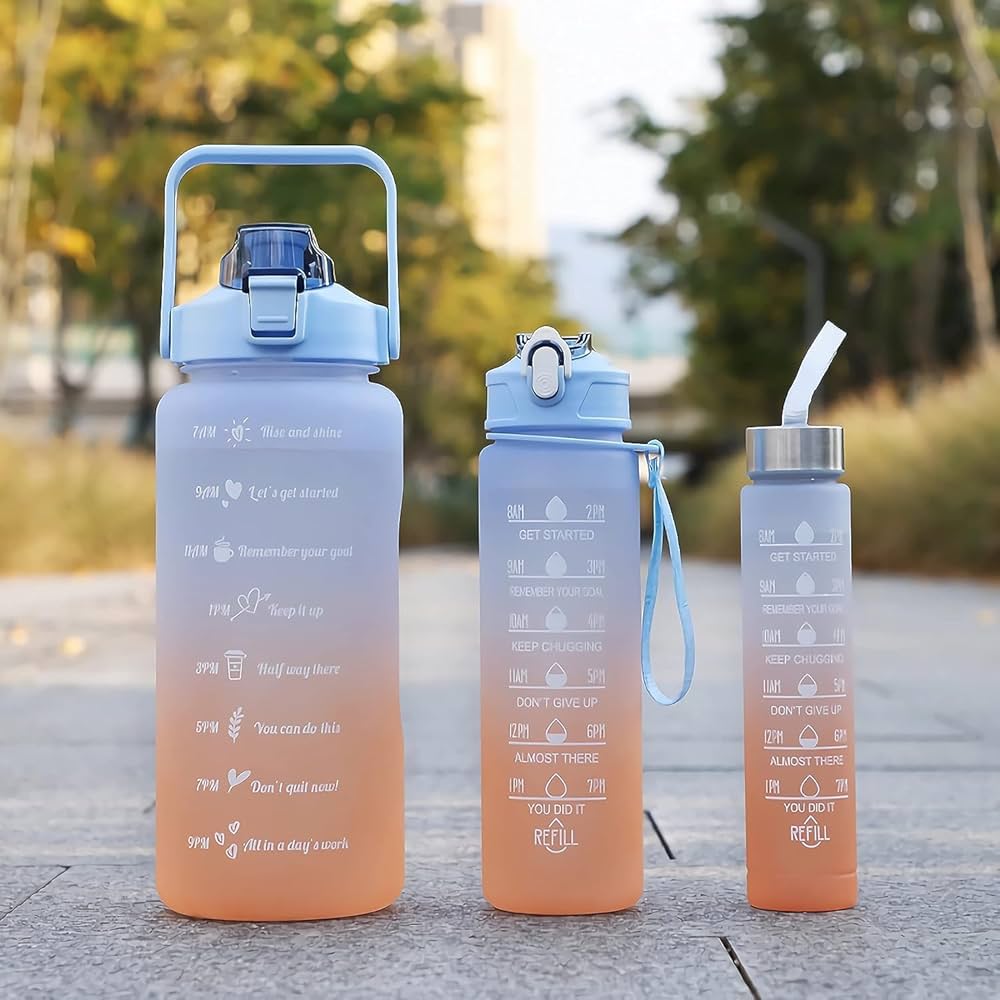
Water bottles and hydration

Hydration System

4-5L Daily Requirement

Options:

  • 3L hydration bladder with tube
  • Two 1L wide-mouth Nalgene bottles
  • Insulated bottle covers
  • Electrolyte tablets/powders

Prevention:

  • Prevent freezing - blow back into tube
  • Purification tablets or filter
  • Insulate tubes in cold weather
Hiking snacks and meals

Nutrition Strategy

4000+ Calories Daily

Snacks:

  • Trail mix + nuts + seeds
  • Energy bars + gels
  • Dried fruit + jerky
  • Hard candies + chocolate

Meal Tips:

  • High carb meals at dinner
  • Pack favorite comfort foods
  • Instant soups for warmth
  • Tea/hot chocolate for morale

Health & Medical

Prevention and preparedness for altitude and mountain hazards
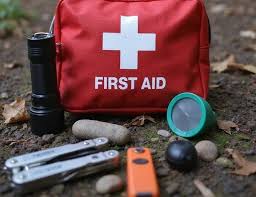
First aid kit

First Aid Kit

Essential

Contents:

  • Altitude medication (Diamox)
  • Blister treatment + moleskin
  • Antiseptic wipes + antibiotic cream
  • Ibuprofen + acetaminophen
  • Antihistamines + anti-diarrheal
  • Eye drops + lip balm with SPF

Consult your doctor about altitude medication and personal prescriptions.
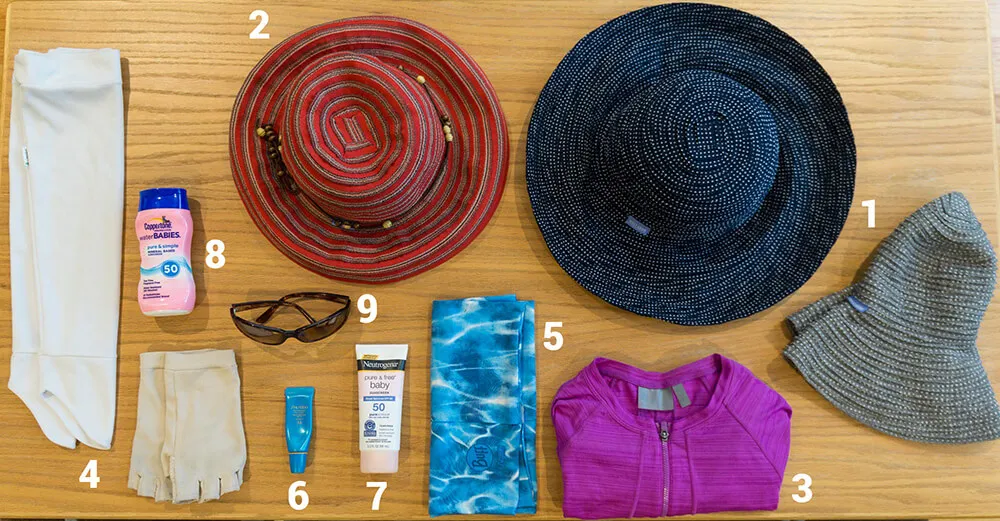
Sun protection items

Sun Protection

Critical at Altitude

UV Protection:

  • SPF 50+ broad spectrum sunscreen
  • SPF lip balm (multiple tubes)
  • UV400 sunglasses (category 4)
  • Wide-brimmed sun hat
  • Buff or neck gaiter

UV radiation increases 10-12% per 1000m gain. At summit, UV is about 2.5x sea level.

Personal Items

Comfort and hygiene essentials for life on the mountain

Hygiene

  • Biodegradable soap + shampoo
  • Microfiber towel (small)
  • Toothbrush + paste
  • Hand sanitizer + wipes
  • Toilet paper + trowel
  • Menstrual products

Electronics

  • Headlamp + extra batteries
  • Camera + extra memory cards
  • Portable charger/power bank
  • Solar charger (optional)
  • Earphones + music/podcasts
  • Voltage converter if needed

Documents

  • Passport + copies
  • Visa (if required)
  • Yellow fever certificate
  • Travel insurance documents
  • Emergency contacts list
  • Credit card + backup cash

Complete Packing Summary

Download our comprehensive checklist to ensure you don't forget anything

Before You Go

  • Break in all footwear
  • Test all gear in similar conditions
  • Organize gear by category
  • Make copies of important documents
  • Consult doctor about medications

Last Checks

  • Weigh your packed duffel (≤15kg)
  • Distribute weight evenly
  • Waterproof essential items
  • Pack quick-access items separately
  • Leave non-essentials behind

Kilimanjaro Gear FAQs

Answers to common questions about preparing for Kilimanjaro